August 24, 2026
Ensuring optimal indoor air quality and consistent temperatures throughout your living space requires regular maintenance and professional evaluation of your climate control systems. Many homeowners struggle with uneven heating, unexpected energy bills, or poor airflow without realizing their equipment needs a thorough evaluation. A comprehensive professional assessment and HVAC testing helps identify hidden system flaws before major mechanical failures occur.
System efficiency relies on balanced airflow, correct refrigerant levels, and clean ductwork functioning seamlessly together. According to IBISWorld, there were 114,555 HVAC businesses in the U.S. as of 2024. With numerous providers available nationwide, selecting experienced professionals who perform precise evaluation procedures guarantees your home system operates at peak safety and performance levels.
Investing in detailed evaluations saves money over time by reducing energy consumption and extending equipment lifespan. Professional technicians perform HVAC testing and measure key operational metrics to verify that your heating and cooling equipment delivers maximum comfort during extreme weather conditions.
Understanding the inner workings of your residential system empowers you to make informed decisions regarding maintenance, upgrades, and structural air sealing. Evaluating air delivery and pressure levels allows technicians to fine-tune your setup for total home comfort.
Every residential property possesses unique layout characteristics, insulation quality, and airflow patterns that impact climate control efficiency. System diagnostics evaluate these specific factors to deliver tailored recommendations for your living space. Taking proactive steps today ensures long-term system reliability and exceptional indoor air quality for your family.
Assessing Airflow Dynamics
Proper air circulation ensures balanced temperature distribution across every room in your home. Technicians utilize HVAC testing to measure static pressure inside ductwork to detect air delivery restrictions or hidden duct leaks. Addressing air delivery imbalances eliminates persistent hot or cold spots in individual living spaces.
Inadequate air movement strains mechanical blowers and forces heating units to run longer cycles. Professional technicians utilize specialized airflow meters to evaluate exact cubic feet per minute measurements.
Continuous monitoring of system static pressure protects sensitive internal fans from premature wear. Restricting air delivery forces blowers to draw excess electrical power while producing unsatisfactory room cooling. Regular airflow assessments keep air circulating smoothly and efficiently throughout your home.
Ductwork evaluations also reveal loose connections or crushed flex ducts that leak conditioned air into unconditioned attics or crawlspaces. Sealing these hidden pressure leaks keeps conditioned air inside your living areas where it belongs. Proper airflow dynamics remain essential for maintaining a healthy and energy-efficient home environment.
Measuring Energy Efficiency
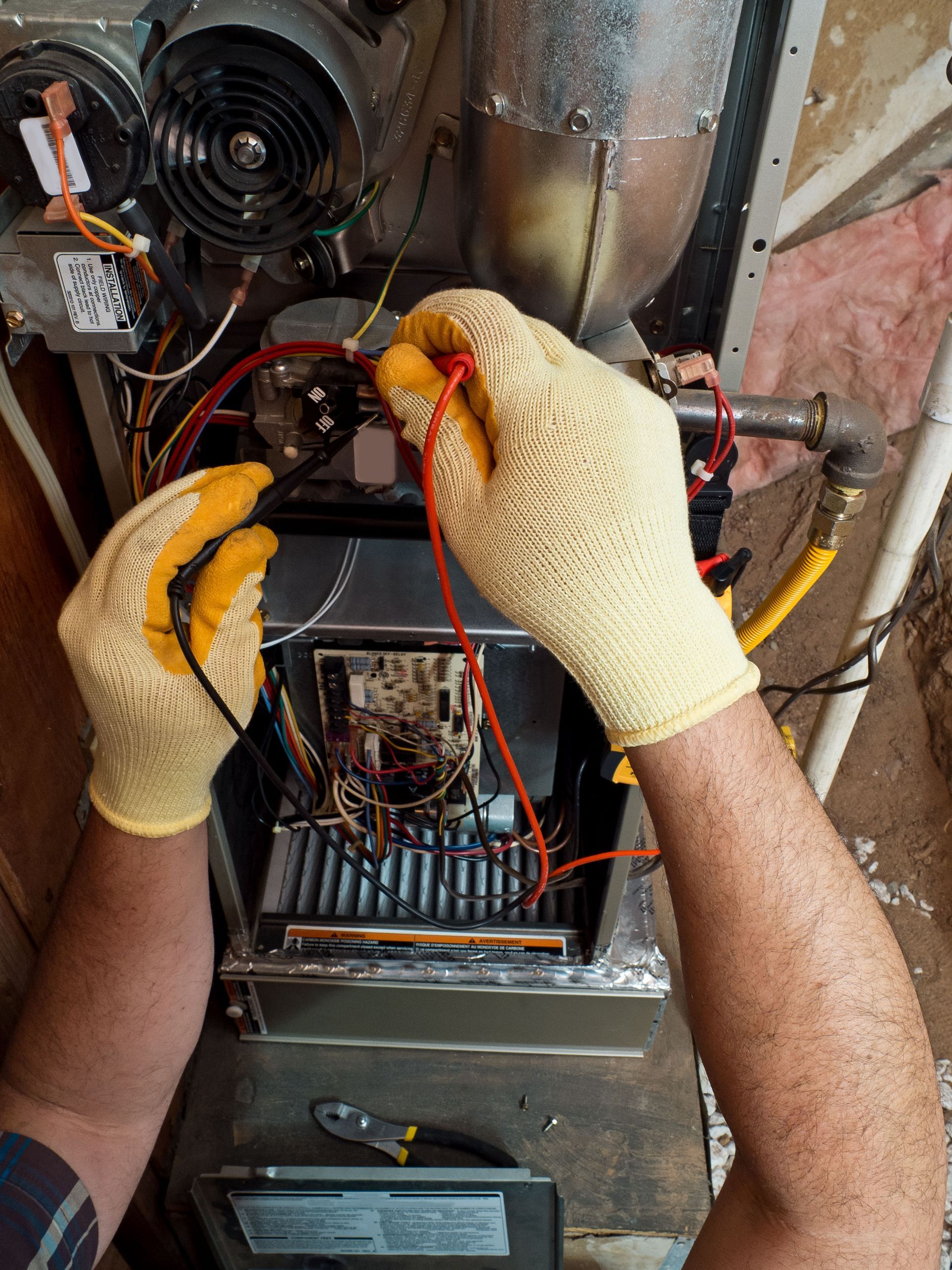
Diagnostic evaluation measures how effectively your equipment converts electricity or gas into comfortable indoor temperatures. Technicians analyze operational voltage, amperage draw, and fuel combustion metrics through HVAC testing to calculate true system performance. Optimizing overall energy usage lowers monthly utility bills without sacrificing your indoor climate preferences.
Comprehensive performance evaluation pinpoints minor electrical or mechanical losses before they impact your utility bills. System efficiency drops gradually over time as internal components accumulate dirt, wear down, or slip out of factory calibration. Identifying minor efficiency drops early allows for low-cost calibrations.
- Electrical Load Checking: Technicians measure voltage and amperage on motors to detect excessive electrical draw and internal component wear.
- Temperature Split Verification: Measuring the exact temperature difference between return and supply air confirms proper cooling performance.
Optimizing operational efficiency reduces daily stress on compressor motors and heating elements. Equipment operating at peak efficiency cycles less frequently, conserving energy while delivering steady indoor temperatures.
Keeping detailed efficiency records over time allows homeowners to track performance degradation accurately. When system efficiency declines steadily despite routine maintenance, technicians can recommend targeted repairs or upgrades. Proactive energy monitoring ensures complete control over your home energy budget.
Evaluating Air Quality
Indoor environmental quality relies heavily on clean ductwork, proper filtration, and balanced humidity management. Technicians perform HVAC testing on air samples to detect airborne dust particulates, mold spores, and volatile organic compounds circulating through your living spaces. Improving filtration media prevents harmful contaminants from degrading your family's health.
High humidity levels foster mold growth, while overly dry air causes respiratory irritation and wooden furniture damage. Comprehensive system evaluation includes checking relative humidity levels and testing integrated dehumidification equipment.
Unchecked air pollution inside closed residential spaces can trigger severe allergies, asthma flares, and chronic respiratory issues. Diagnostic evaluations ensure that air filters, purification lamps, and ventilation systems function as designed. Clean indoor air contributes directly to a healthier home environment.
Technicians also evaluate fresh air intake systems to ensure adequate ventilation without introducing outside pollutants. Proper ventilation replaces stale indoor air with fresh, filtered air continuously throughout the day. Thorough air quality diagnostics protect your loved ones from hidden environmental hazards.
Detecting Hidden Leaks
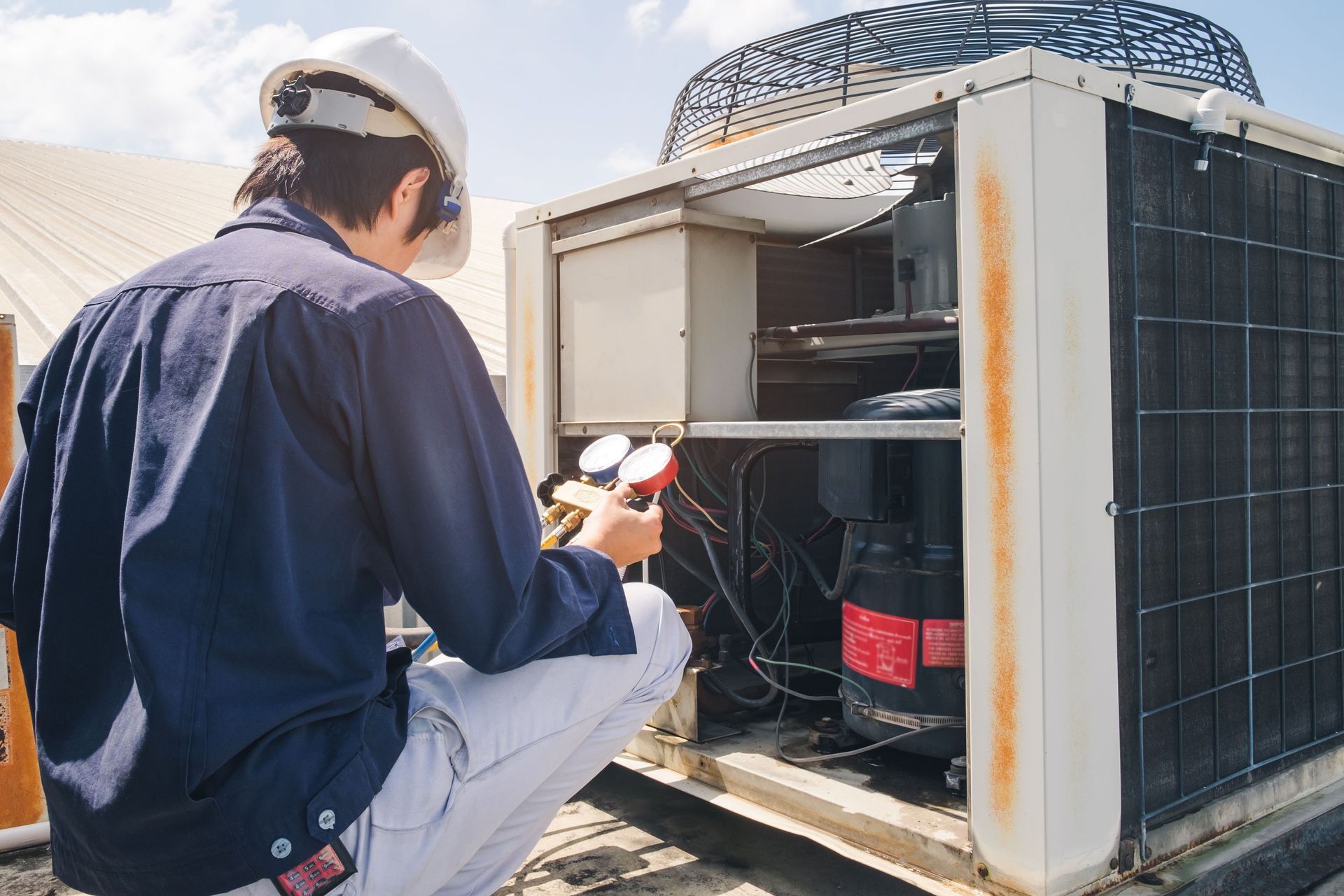
Refrigerant leaks severely compromise cooling performance while causing serious environmental and compressor damage. Comprehensive HVAC testing utilizes electronic leak detectors to pinpoint microscopic tears in coils, valves, and copper tubing lines. Promptly repairing refrigerant leaks preserves cooling capacity and prevents expensive compressor burnouts.
Duct leaks allow conditioned air to escape into unconditioned attics or crawlspaces before reaching your rooms. Pressure diagnostics quantify duct loss percentages and identify exact rupture locations along your distribution network. Sealing duct leaks restores proper airflow and eliminates unnecessary energy waste instantly.
- Electronic Leak Detection: Sensitive electronic sensors detect minute refrigerant gas traces along copper lines and coil connections.
- Duct Pressure Diagnostics: Calibrated blower door apparatuses quantify duct leakage rates and pinpoint hidden distribution ruptures.
Ignoring minor fluid or air leaks leads to compounding mechanical damage and inflated monthly utility expenses. Professional leak testing pinpoints hidden structural defects long before they cause complete system breakdowns.
Technicians also inspect condensate drain pans and drain lines for blockages or subtle water leaks. Water leaking from air conditioning units can cause extensive structural wood rot and drywall damage.
Verifying System Safety
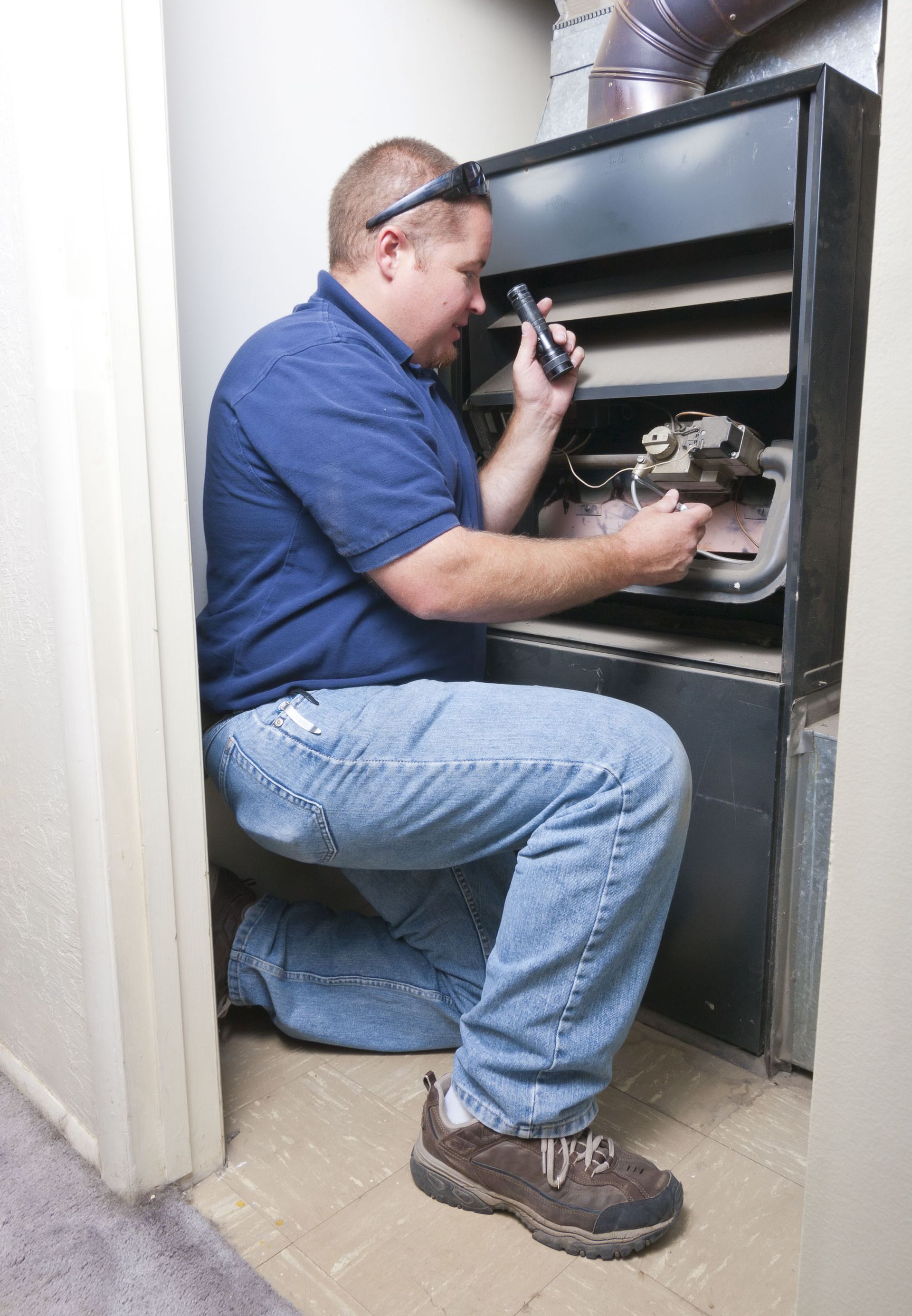
Rigorous HVAC testing verifies that gas furnaces burn fuel safely without releasing dangerous carbon monoxide gases into your home. Technicians inspect heat exchangers for microscopic cracks, rust perforations, or flue pipe blockages that vent toxic fumes indoors. Ensuring proper combustion safety protects your family from life-threatening gas risks.
Electrical safety checks evaluate wiring integrity, loose terminal connections, and proper grounding across all system circuits. Overheating wires or failing contactors present severe fire hazards if left uninspected over prolonged periods.
Cracked heat exchangers permit toxic carbon monoxide gas to mix directly with circulating household air supplies. Annual safety assessments detect microscopic structural flaws before dangerous gas leaks occur inside your residence.
Safety controls, such as float switches and high-pressure cutoffs, prevent mechanical overheating and catastrophic water overflows. Technicians test each safety control manually to confirm instant shut-off response during simulated equipment failures.
Optimizing System Lifespan
Routine diagnostic evaluations identify minor component wear before minor issues transform into catastrophic mechanical failures. Replacing worn capacitors, loose belts, or dirty sensors early prevents chain-reaction damage across major system components.
Well-maintained heating and cooling systems operate with far less mechanical stress throughout their service life. Preventing severe motor overheating and internal friction preserves factory tolerances across expensive compressors and fan motors.
A well-documented history of professional performance testing preserves manufacturer warranty coverage on major internal components. Most equipment manufacturers require proof of regular professional maintenance to honor multi-year warranty replacement claims. Systematic evaluation protects your financial warranty coverage over the life of your equipment.
Extending equipment service life minimizes the long-term cost of homeownership while delivering dependable climate control. System diagnostic evaluations provide clear insights into component health, allowing you to plan upgrades on your timeline.
Protect your home comfort and extend equipment lifespan by scheduling a professional inspection with D & D Heating & Air Conditioning Inc today!