June 8, 2026
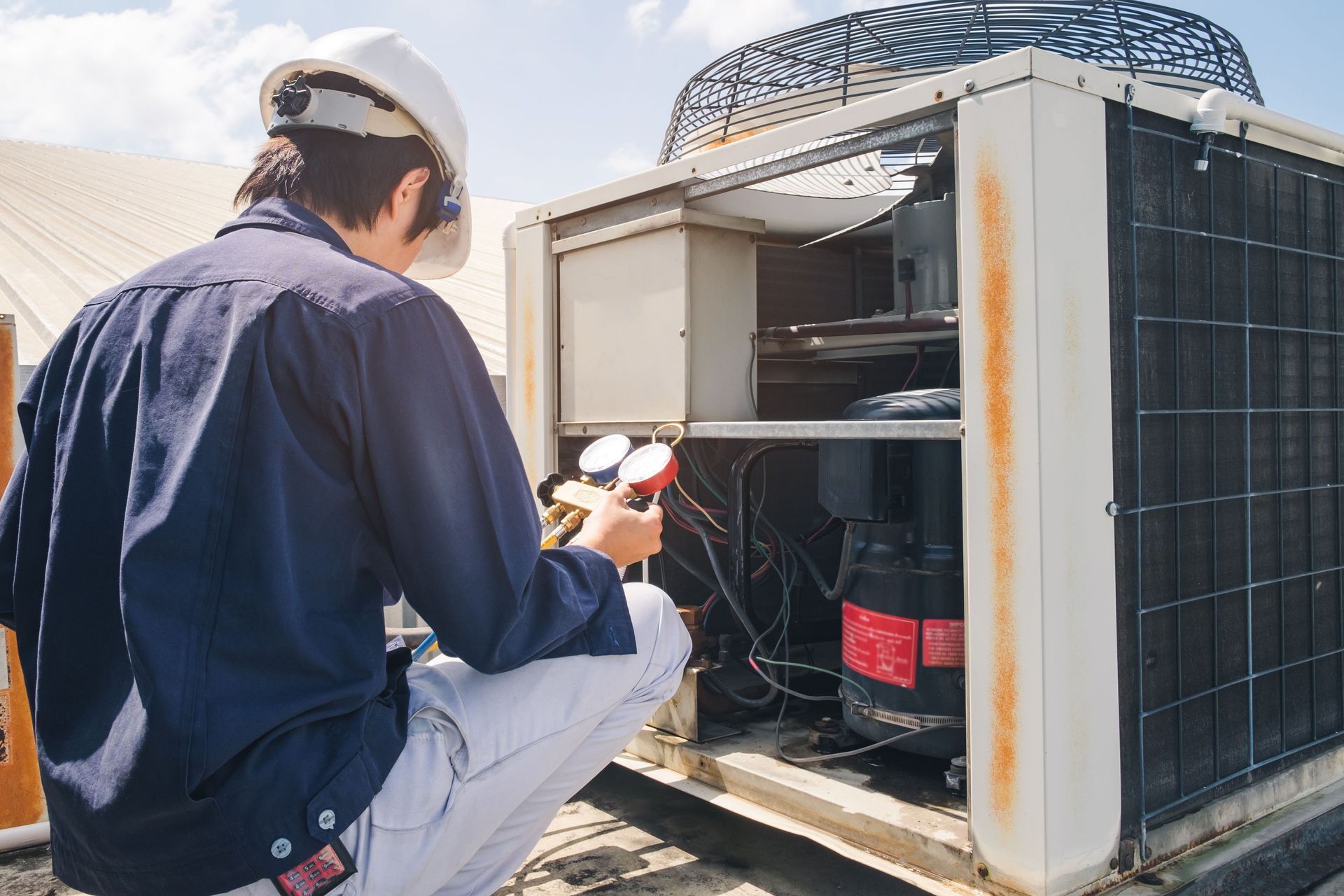
Maintaining a comfortable home throughout the year depends heavily on the performance of your heating and cooling system. Whether temperatures rise during the summer or drop during the winter, homeowners rely on dependable indoor climate control to keep living spaces safe and comfortable. When issues arise, timely HVAC repair can help prevent discomfort, reduce energy waste, and avoid more serious mechanical failures.
Many homeowners wait until their system completely stops working before scheduling service. Unfortunately, delaying repairs can lead to larger expenses and increased strain on the equipment. Understanding common warning signs, maintenance recommendations, and efficiency tips can help homeowners stay ahead of potential problems.
According to Today’s Homeowner, an HVAC system should be inspected twice per year. Routine inspections allow technicians to identify worn components, improve system performance, and reduce the likelihood of unexpected breakdowns. By taking a proactive approach to HVAC repair and maintenance, homeowners can improve comfort while extending the lifespan of their equipment.
How Often Should You Service Your HVAC System?
Regular maintenance plays a major role in keeping heating and cooling equipment operating efficiently. Most professionals recommend servicing HVAC systems twice each year, ideally once in the spring before cooling season and once in the fall before heating season begins. These appointments help ensure the system is prepared for periods of heavy use.
Seasonal maintenance visits often include inspecting electrical components, cleaning coils, checking refrigerant levels, testing airflow, and replacing worn parts. Preventative service can also help identify small issues before they become expensive HVAC repair problems. A loose electrical connection or clogged drain line may seem minor initially, but these issues can eventually damage larger system components if ignored.
Homeowners can also complete several simple maintenance tasks on their own between professional appointments. Changing air filters regularly is one of the most important steps for maintaining airflow and indoor air quality. Dirty filters force the system to work harder, which increases energy consumption and places unnecessary strain on the equipment.
Keeping vents unobstructed, cleaning debris from outdoor units, and monitoring thermostat settings can also help improve performance. However, professional inspections remain essential because trained technicians can identify problems that are not always visible to homeowners.
What Are the Signs That Your HVAC System Needs Repair?
Many HVAC systems show warning signs before a complete breakdown occurs. Recognizing these early indicators can help homeowners schedule HVAC repair service before the problem worsens.
One common sign is inconsistent temperatures throughout the home. If certain rooms feel warmer or cooler than others despite thermostat adjustments, the system may be struggling with airflow issues, duct leaks, or failing components. Reduced airflow from vents can also indicate problems such as clogged filters, blower motor issues, or duct obstructions.
Unusual noises are another important warning sign. Grinding, rattling, banging, or squealing sounds often suggest mechanical problems that should not be ignored. Loose parts, failing motors, or damaged belts can quickly escalate into larger repairs if the system continues operating under stress.
Homeowners should also pay attention to unusual odors. Burning smells may indicate overheating electrical components, while musty odors could suggest mold or moisture issues within the ductwork or system. Any persistent smell coming from the HVAC system deserves professional evaluation
A sudden increase in utility bills may also signal declining efficiency. When systems struggle to maintain temperature settings, they often consume more energy than normal. In many cases, prompt HVAC repair can restore efficiency and reduce monthly operating costs.
Frequent cycling is another issue that homeowners commonly overlook. Systems that turn on and off repeatedly may be experiencing thermostat problems, airflow restrictions, or compressor issues. This pattern increases wear on system components and can shorten equipment lifespan over time.
Can You Perform Your Own HVAC Repair or Should You Hire a Professional?
Some HVAC maintenance tasks are manageable for homeowners, while others require professional expertise. Understanding the difference is important for both safety and system reliability.
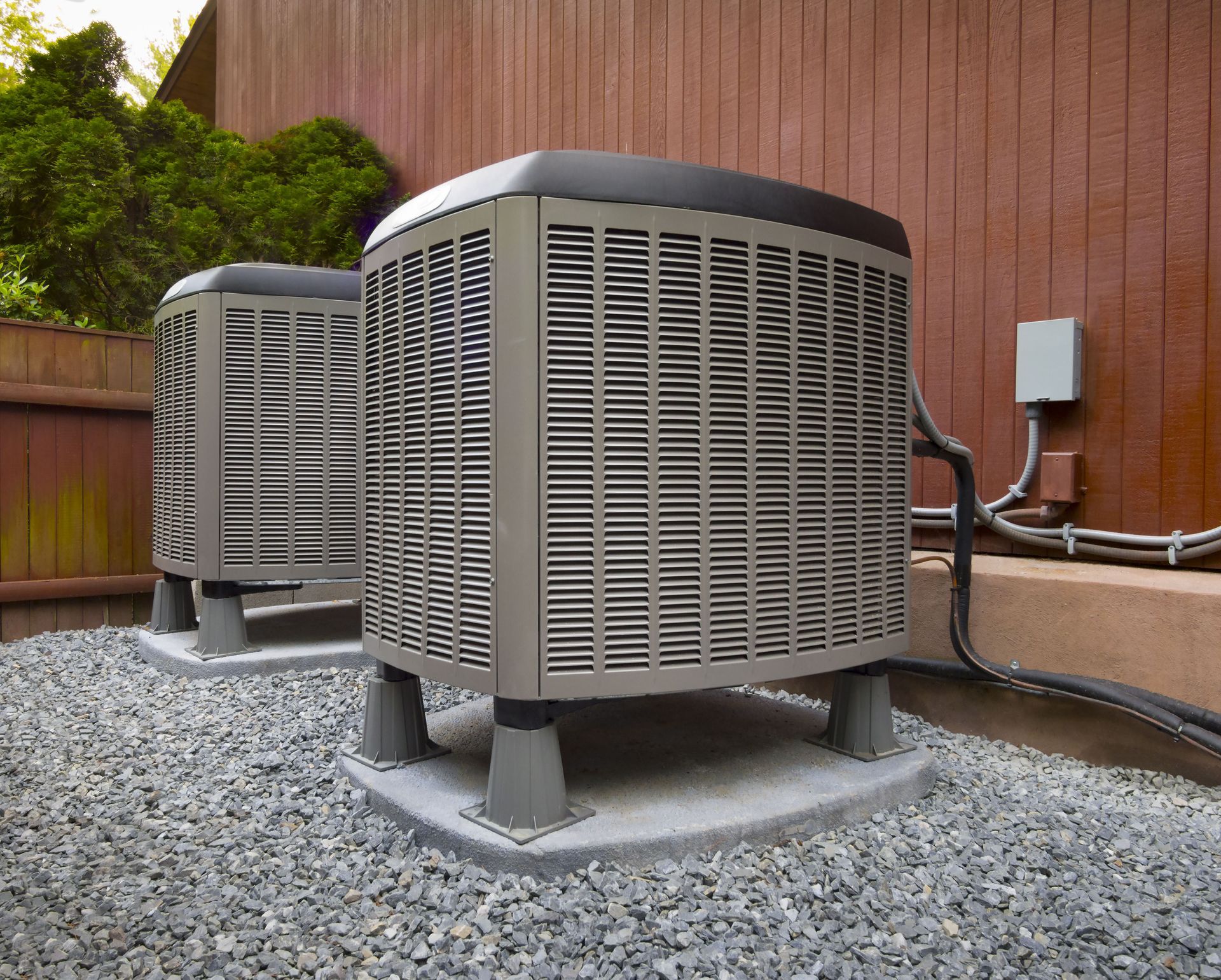
Simple tasks such as replacing filters, cleaning vents, checking thermostat batteries, and removing debris around outdoor units can typically be performed without professional assistance. These routine steps help maintain airflow and support efficient operation.
Homeowners may also be able to reset breakers or inspect visible duct connections when minor issues occur. However, more advanced HVAC repair work should generally be handled by trained technicians. Heating and cooling systems involve electrical components, refrigerants, gas connections, and specialized equipment that require proper training and certification.
Attempting major repairs without experience can create safety hazards and potentially worsen existing problems. Refrigerant handling, electrical repairs, and furnace servicing all involve risks that should not be underestimated. In some cases, improper repairs may even void manufacturer warranties.
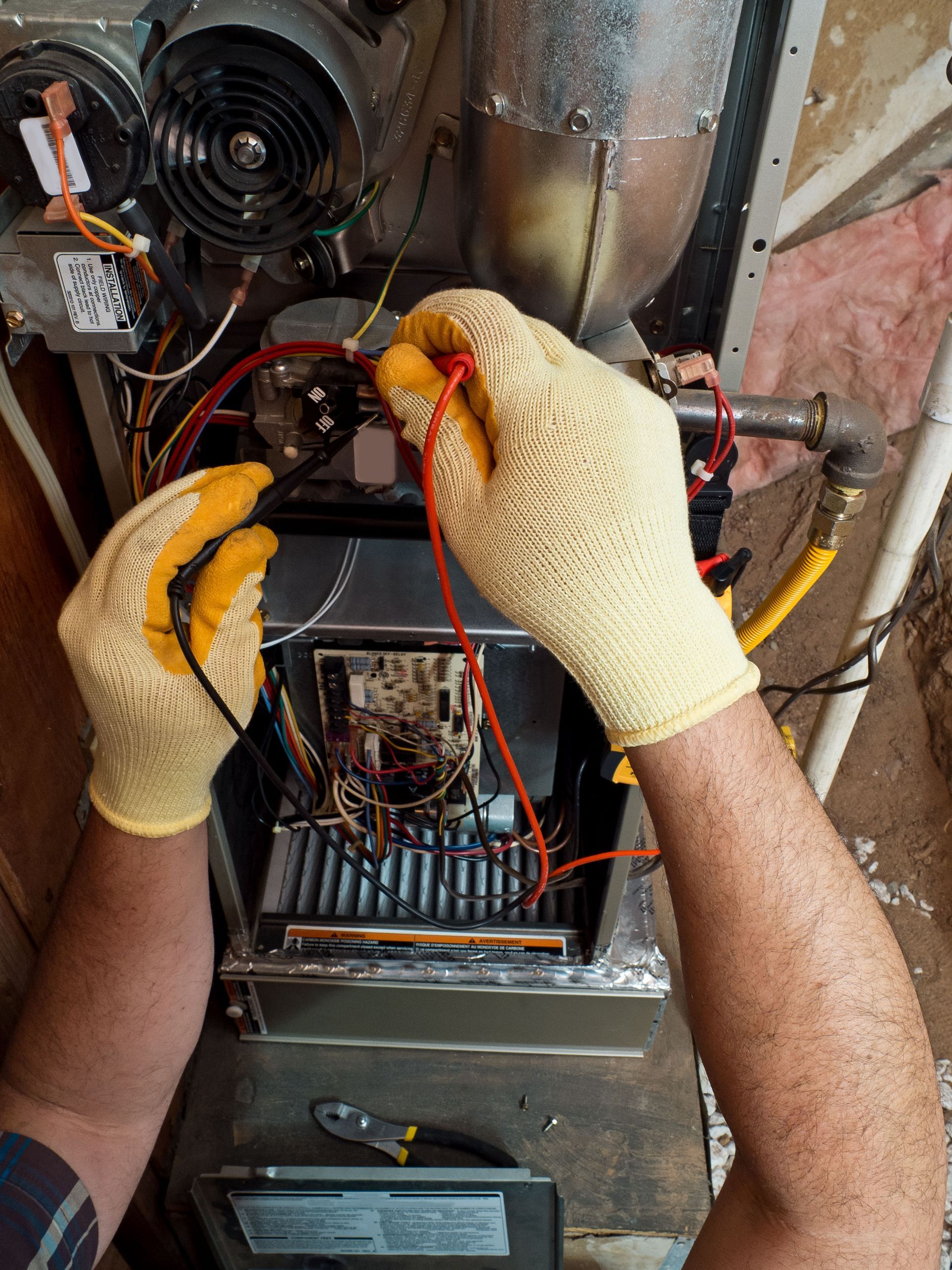
Professional technicians have the tools and experience necessary to diagnose issues accurately. What appears to be a thermostat problem could actually involve wiring issues, compressor failure, or airflow restrictions elsewhere in the system. Accurate diagnosis helps prevent unnecessary part replacements and repeat service calls.
Safety should always remain a priority when considering DIY HVAC repair efforts. Homeowners should turn off power to the system before performing any maintenance and avoid opening sealed components or attempting repairs involving gas or refrigerant lines.
What Is the Cost Range for Typical HVAC Repairs?
The cost of HVAC repair varies depending on the type of issue, the complexity of the repair, and the components involved. Minor repairs are generally more affordable, while major system failures can become significantly more expensive.
Simple repairs such as thermostat replacements, capacitor changes, or clogged drain line cleaning may cost relatively little compared to larger mechanical repairs. Problems involving blower motors, compressors, or heat exchangers typically require more labor and expensive replacement parts.
Emergency service calls may also increase repair costs, particularly during periods of extreme weather when HVAC companies experience high demand. Scheduling maintenance and addressing minor concerns early can often reduce the likelihood of expensive emergency repairs.
System age also plays a role in repair costs. Older systems may require harder-to-find parts or more extensive labor due to wear and outdated technology. In some situations, repeated HVAC repair expenses may indicate that replacement is a more cost-effective long-term solution.
Homeowners should request detailed estimates before approving major repairs. Reputable companies typically explain the issue, outline repair options, and provide transparent pricing. Comparing estimates from multiple providers can also help homeowners evaluate costs and service quality.
How Can Regular Maintenance Prevent Costly HVAC Repairs?
Preventative maintenance remains one of the most effective ways to reduce HVAC repair expenses and improve long-term system performance. Heating and cooling equipment experiences constant wear throughout the year, especially during periods of extreme temperatures. Without routine care, minor issues can gradually evolve into major mechanical failures.
Regular inspections allow technicians to identify worn belts, loose electrical connections, refrigerant leaks, and airflow restrictions before they create larger problems. Cleaning system components also improves efficiency by helping equipment operate with less strain.
Replacing air filters consistently is another important part of preventative care. Dirty filters restrict airflow, increase energy use, and force system components to work harder than necessary. This added stress can shorten the lifespan of motors and other mechanical parts.
Smart thermostats can also contribute to better system efficiency. These devices allow homeowners to regulate temperatures more effectively and reduce unnecessary system operation. Lower strain on the equipment may reduce the frequency of HVAC repair needs over time.
Home insulation also affects HVAC performance. Poor insulation allows heated or cooled air to escape, forcing the system to run longer cycles to maintain comfort. Improving insulation and sealing air leaks can reduce workload demands and support overall efficiency.
Preventative maintenance helps homeowners avoid sudden breakdowns during peak heating or cooling seasons. A system failure during extreme weather can create discomfort, emergency service costs, and scheduling delays due to increased technician demand.
Keeping your heating and cooling system in good condition requires a combination of routine maintenance, early problem detection, and timely HVAC repair service. By understanding common warning signs, scheduling regular inspections, and addressing small issues promptly, homeowners can improve efficiency and avoid more costly breakdowns.
A proactive approach to HVAC care helps maintain year-round comfort while extending the life of the system. Whether performing simple maintenance tasks or hiring a professional technician for repairs, consistent attention to HVAC performance can provide long-term benefits for both comfort and energy savings. If you need HVAC service, reach out to the professionals at D & D Heating & Air Conditioning Inc today!