June 4, 2026
When temperatures soar, a reliable cooling system becomes the most critical appliance in your home. However, many property owners overlook the basic internal components that keep these systems running smoothly. Neglecting routine upkeep can quickly lead to diminished performance, spiked energy bills, and unexpected breakdowns that require professional AC repair intervention. This preventable degradation underscores the absolute necessity of keeping internal pathways clear of debris.
Restricting Vital System Airflow
When fiberglass or pleated media filters accumulate thick layers of dust, pet dander, and airborne debris, the physical barrier suffocates the system. The cooling unit requires a steady, unobstructed stream of air to regulate indoor temperatures effectively. Without this consistent volume, the internal components work twice as hard to draw in air, creating immense operational strain. This unnecessary resistance forces the equipment to burn more energy while delivering subpar climate control.
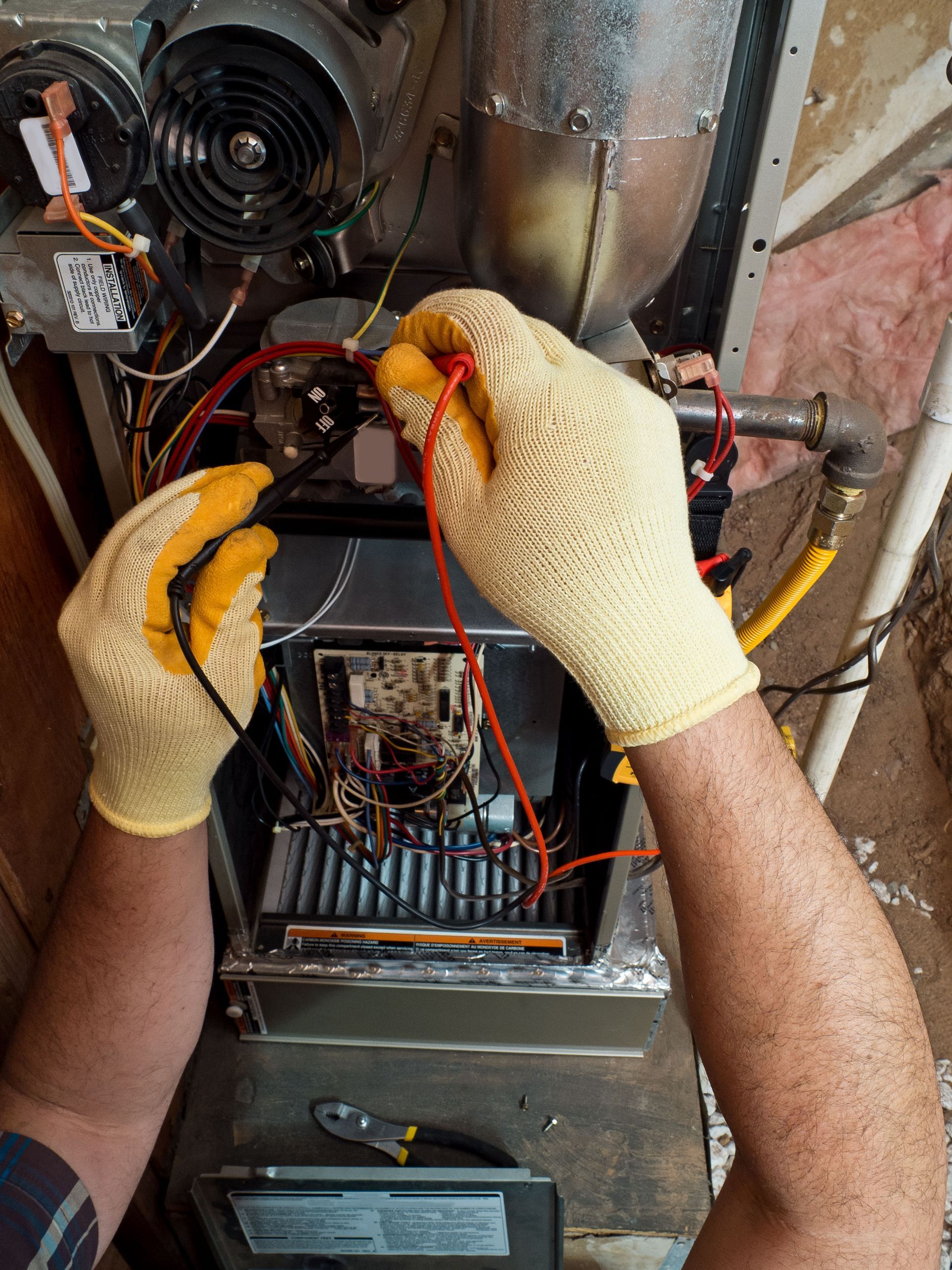
This artificial restriction forces the blower motor to run continuously at maximum capacity, which rapidly accelerates component degradation. Overworked motors frequently overheat, burning out internal wiring and causing complete system shutdowns. When the primary mechanical parts face this level of ongoing stress, property owners inevitably face the premature need for comprehensive AC repair solutions. Replacing a completely burned-out motor is a complex procedure that strains both your comfort and your schedule.
Furthermore, restricted airflow alters the pressure balance within the ductwork and the central unit itself. This pressure imbalance can cause the system to short-cycle, meaning it turns on and off rapidly without completing a full cooling cycle. Short-cycling strains every single electrical connection and moving part, culminating in a major system failure. Each rapid restart inflicts severe wear and tear on the compressor, which is the most expensive part of the unit.
Freezing the Evaporator Coils
The evaporator coil relies on steady airflow to absorb heat from your indoor living spaces. According to the HVAC Systems Encyclopedia, regularly changing filters and other HVAC maintenance could improve the system's efficiency by around five to eight percent. The moisture that naturally condenses on the metal fins quickly turns to ice when this airflow drops, completely insulating the component and halting the cooling process. This icy buildup acts as a literal wall that prevents any further heat extraction from occurring.
As the ice layer thickens, the system completely loses its ability to cool the home, blowing warm air through the registers instead. Property owners often try to rectify this by lowering the thermostat further, which only worsens the ice accumulation and deepens the mechanical damage. At this stage, professional AC repair becomes necessary to safely thaw the system and evaluate the damage. Attempting to run the system in this state only compounds the internal stress.
Allowing a coil to remain frozen can also cause liquid refrigerant to flood back into the compressor. Compressors are designed solely to handle vapor, and liquid entry causes catastrophic mechanical failure. This severe liquid slugging can destroy the internal pistons and valves beyond any hope of simple realignment. Left unaddressed, this critical compressor damage ultimately demands a total system replacement rather than a simple part fix.
Reducing Overall Cooling Efficiency
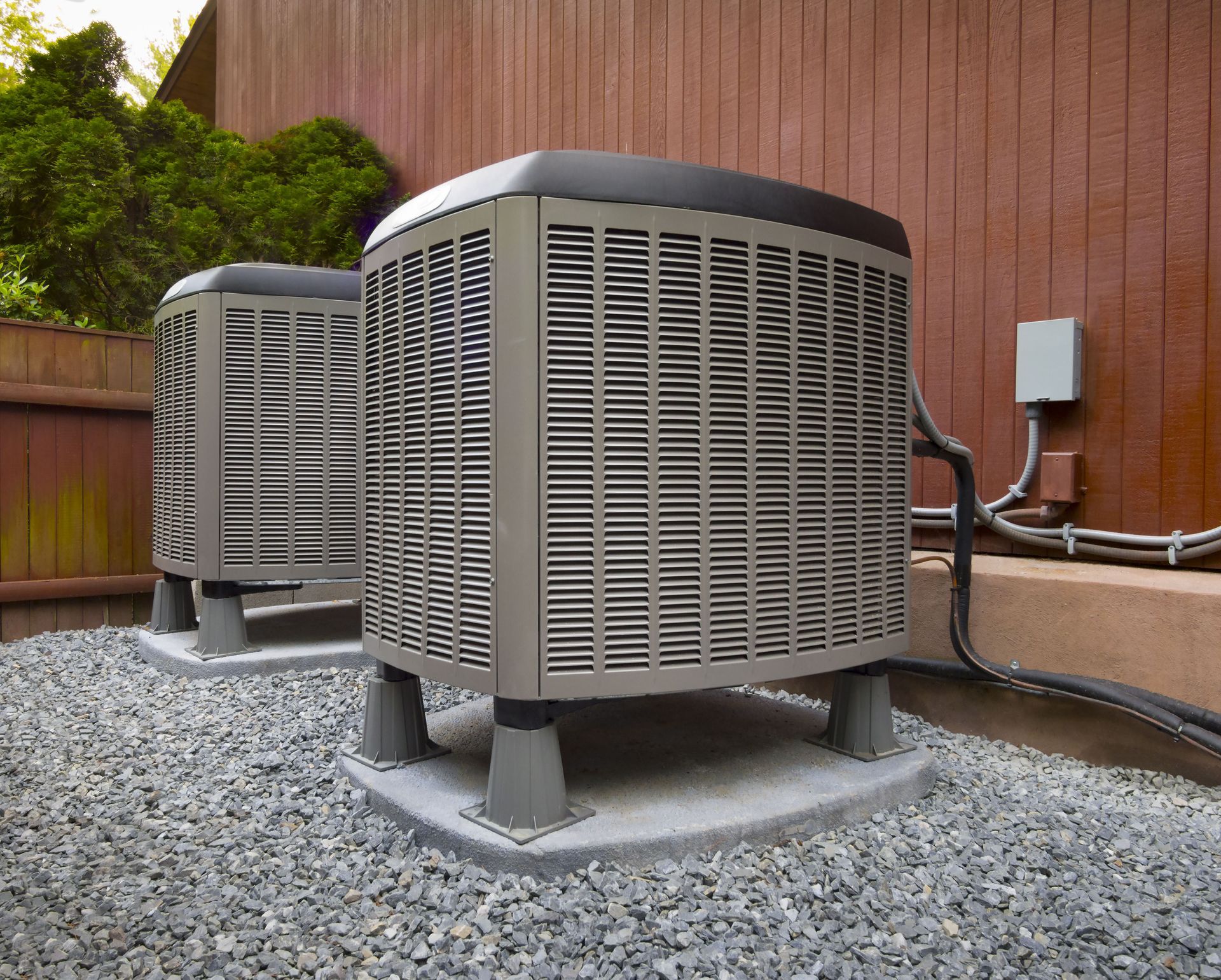
When layers of grime insulate the outdoor condenser coils, the heat transfer process fails. The outdoor unit is responsible for releasing the heat extracted from your home into the outside air. Caked-on mud, lawn clippings, and dust create a thermal blanket that traps the heat inside the refrigerant lines. This trapped heat prevents the chemical refrigerant from cooling down enough to restart its cycle effectively.
Because the heat cannot escape, the entire cooling cycle loses its effectiveness, and the system runs for hours just to achieve a minor temperature drop. Homeowners will notice that the air coming from the vents is lukewarm rather than crisp and refreshing. This drop in functional capability is a primary driver for emergency AC repair scheduling during peak summer months. Prolonged operation under these conditions rapidly depletes the useful lifespan of the entire installation.
Long runtime cycles translate directly to soaring utility bills without any actual increase in home comfort. The compressor must utilize maximum electrical current to push refrigerant through a dirty, resistant system. This sustained electrical draw degrades the capacitors and contactors, leading to complete electrical failure within the control board. These delicate electrical parts simply cannot handle the elevated temperatures generated by non-stop operation.
Corroding Sensitive Metal Components
The combination of accumulated dirt and ambient moisture creates a highly corrosive environment for internal air conditioning parts. As dust settles on the copper evaporator coils, it holds onto moisture from the air's humidity. This constant dampness triggers a chemical reaction known as formicary corrosion, which creates microscopic holes in the metal. The visual evidence of this damage often appears as a dull grayish discoloration along the copper tubing.
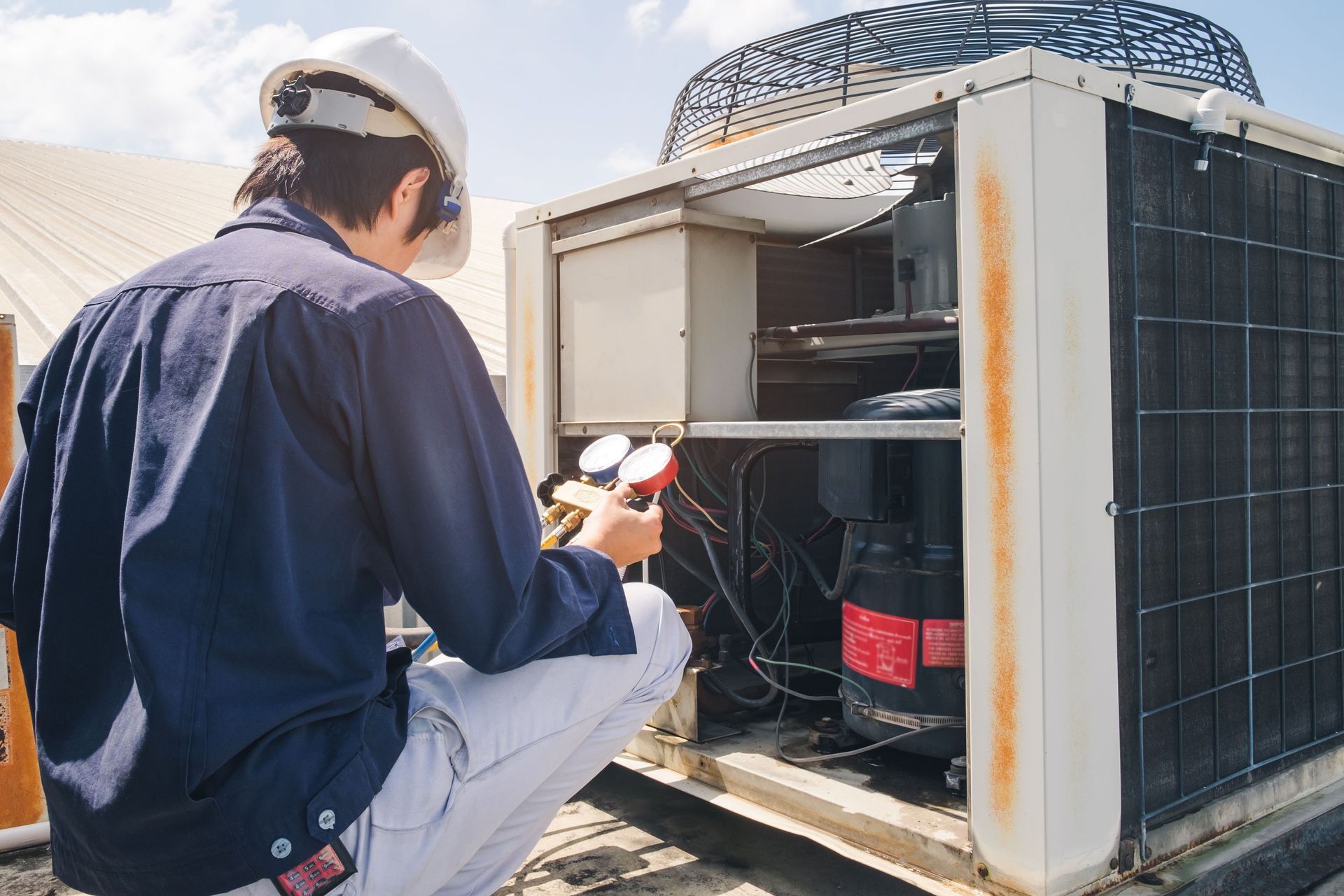
These tiny pinhole leaks allow refrigerant to slowly escape into the atmosphere, dropping the system's chemical levels below operational standards. Low refrigerant levels cause the system to lose cooling capacity, freeze up, and experience dangerous pressure drops. Fixing these delicate lines and restoring proper levels requires precision AC repair handling to prevent permanent compressor failure. Once the refrigerant charge drops below a certain threshold, the system cannot function safely.
Corrosion also targets the metal brackets, fan blades, and housing units that keep the system structurally sound. Rusted fan blades can become unbalanced, vibrating violently during operation, and damaging the main drive shaft. This structural degradation turns a simple cleaning issue into a complex mechanical rebuild. Over time, the constant vibration can loosen surrounding seals and cause widespread structural rattling.
Clogging the Condensate Drainage
As the evaporator coil removes humidity from the indoor air, moisture drips down into a condensate pan and exits through a drain line. When the coils are covered in dirt, the dripping water carries that debris down into the narrow drainage channels. Over time, this sludge builds up and forms a solid blockage within the PVC piping. The darkness of the drainage system accelerates the binding of these particles into a thick glue.
A blocked drain line causes water to back up quickly, overflowing the pan and spilling into the surrounding structure. This moisture can ruin drywall, destroy ceilings, and warp flooring before a homeowner even notices the leak. Modern systems often feature safety switches that shut down operation during a backup, signaling the need for immediate AC repair to clear the lines. Ignoring a tripped safety switch can lead to severe secondary water damage throughout your property.
Beyond structural damage, standing water inside a dark, dirty drain pan creates a breeding ground for biological growth. This growth can create foul odors that circulate through the entire home via the ductwork. It also creates a sticky biofilm that hardens inside the trap, making manual clearing by a professional technician the only viable remedy. This unpleasant air quality issue often alerts residents to the problem before visible pooling occurs.
Maintaining clean filters and coils is vital for preserving the longevity and functionality of a central cooling system. Neglecting these basic components triggers a chain reaction of mechanical stress, component freezing, and electrical failures. Addressing these issues early through professional servicing prevents minor restrictions from turning into catastrophic system breakdowns. Contact D & D Heating & Air Conditioning Inc today to schedule your professional AC repair and keep your system running at peak performance all summer long.