November 19, 2026
Mini-split systems have become popular energy-efficient solutions for residential and commercial properties. Unlike traditional heating and cooling systems, these ductless units provide targeted temperature control while minimizing energy waste. The advanced technology and flexible zoning capabilities make them an appealing option for property owners looking to improve comfort and manage utility expenses.
Understanding Mini-Split Technology
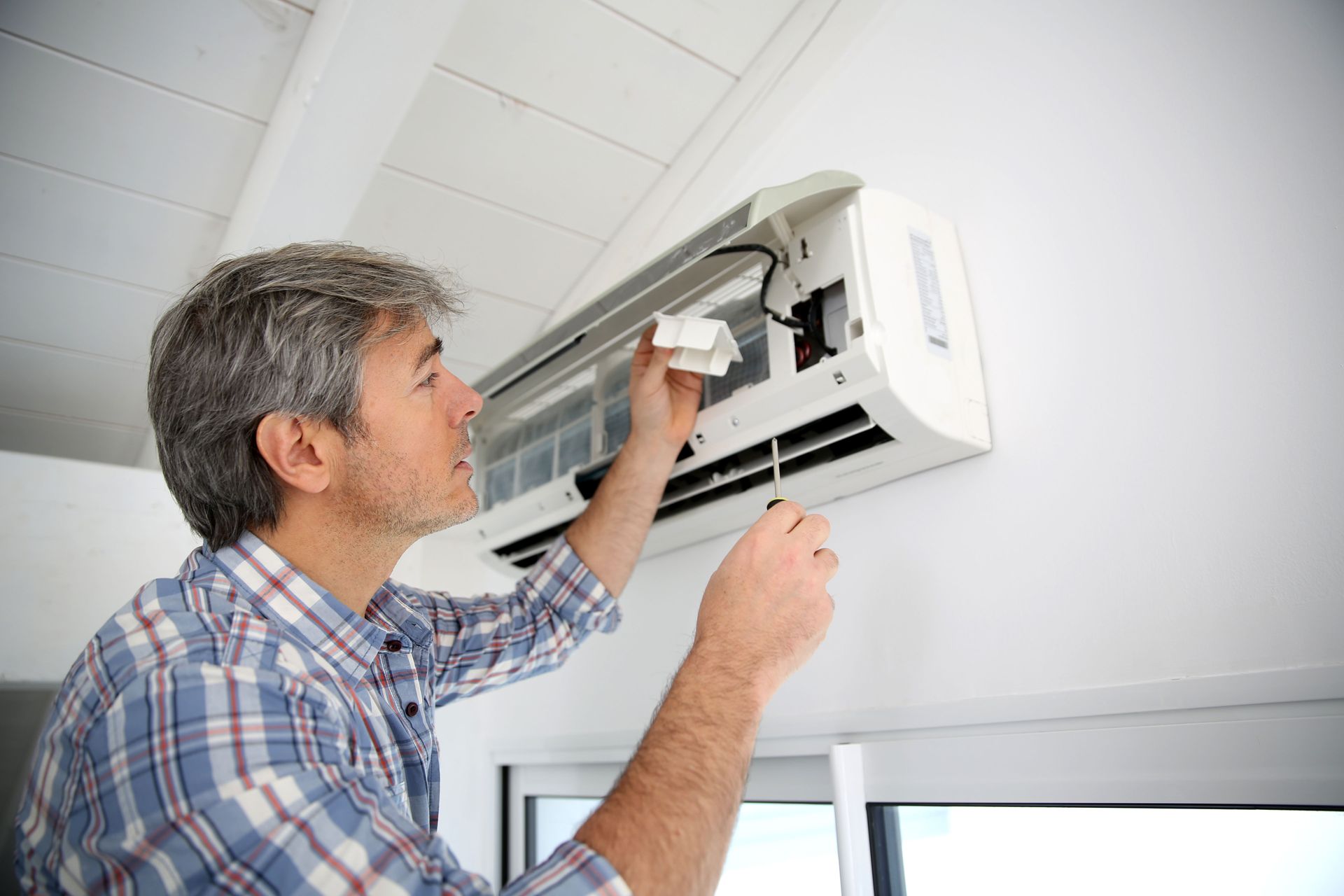
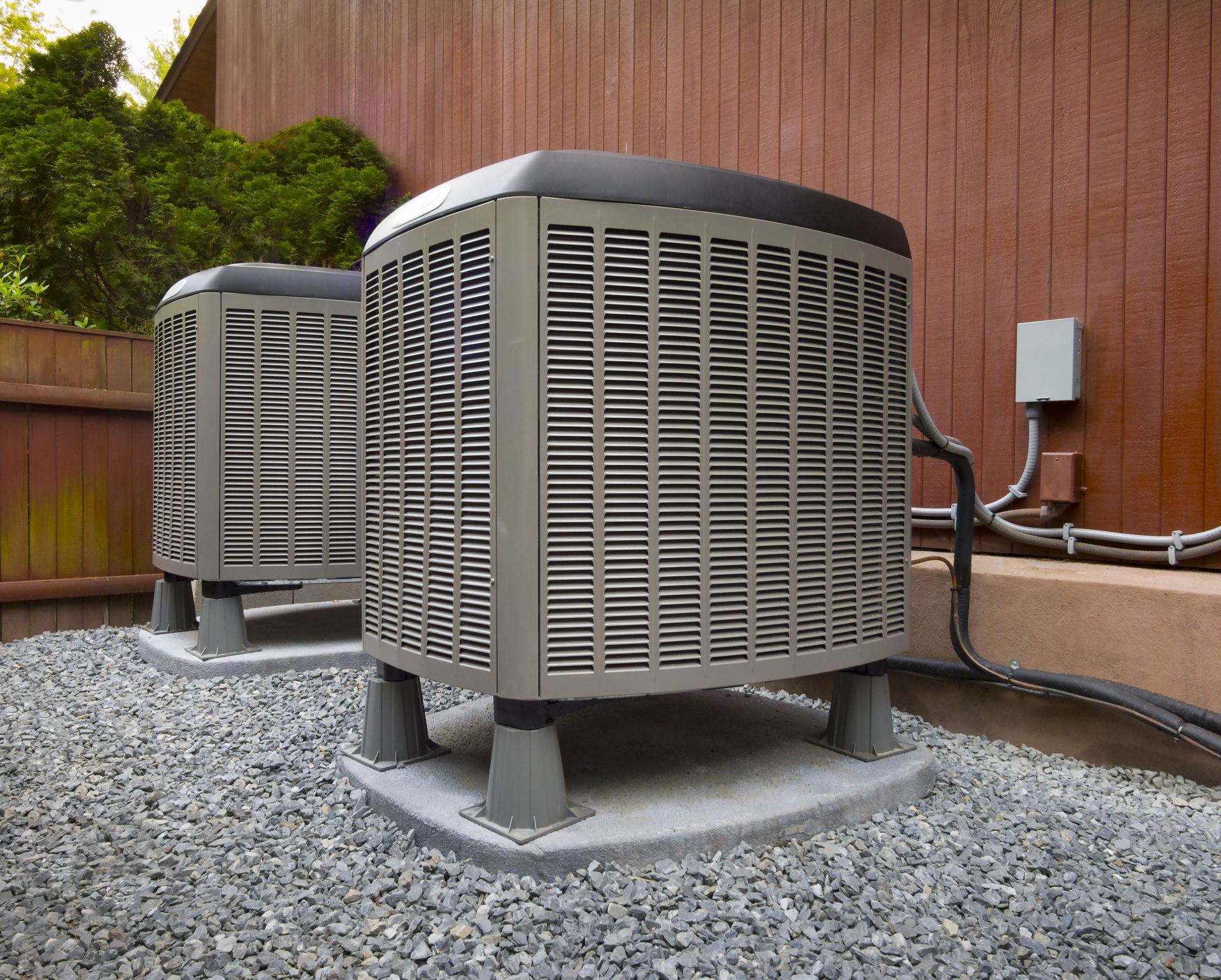
Mini-split systems consist of an outdoor compressor or condenser and one or more indoor air-handling units. These components connect through a conduit containing refrigerant lines, electrical wiring, and a condensate drain. Because mini-splits do not require traditional ductwork, they avoid many energy losses associated with distributing conditioned air throughout a building.
Traditional HVAC systems rely on ducts to circulate heated or cooled air. Leaks and poor insulation can cause conditioned air to escape before reaching its destination. Mini-splits deliver air directly into designated rooms or zones, allowing occupants to maintain more precise temperatures.
Another important feature is inverter technology, which allows the compressor to adjust its operating speed according to heating and cooling demands. Rather than repeatedly switching between full power and complete shutdown, the system makes gradual adjustments to maintain consistent temperatures. According to Energy Star, certified mini-splits use up to 60% less energy than standard home electric radiators.
Mini-splits are suitable for homes, apartments, offices, and commercial buildings. They are particularly useful in properties where installing traditional ductwork would be expensive or impractical. Professional installation ensures the equipment is properly sized for the building's heating and cooling requirements.
Improving Energy Efficiency
Inverter technology is one of the primary reasons mini-splits can operate more efficiently than conventional HVAC equipment. By adjusting compressor output to match changing conditions, these systems avoid frequent starting and stopping. This reduces unnecessary electricity consumption while helping maintain stable indoor temperatures.
Zone control provides another significant advantage. Many mini-split systems allow occupants to adjust temperatures independently in different rooms or sections of a property. This prevents unnecessary heating or cooling in unoccupied areas, reducing energy waste.
The absence of ductwork also improves performance. Traditional ducted systems can lose conditioned air through leaks and poorly insulated passages. Mini-splits deliver heated or cooled air directly into the intended space, helping reduce distribution losses.
Many mini-splits also use heat pump technology to provide both heating and cooling. Rather than generating heat through conventional electric resistance methods, heat pumps transfer existing heat from one location to another. This process can require considerably less electricity, making mini-splits an attractive option for year-round climate control.
Many models also include filtration systems designed to capture dust and other airborne particles. Proper filter maintenance supports indoor air quality and helps prevent restricted airflow from affecting system performance.
Reducing Environmental Impact
Reducing electricity consumption can lower the environmental impact associated with heating and cooling a property. Since mini-splits often require less energy than conventional systems, they can help reduce emissions associated with electricity generation. Their efficiency makes them a practical consideration for property owners interested in sustainability.
Mini-splits also compare favorably with several other cooling options. Window units and portable air conditioners can provide localized temperature control, but they may consume more electricity depending on their efficiency and operating conditions. Although mini-splits can require a larger initial investment, their potential long-term savings make them worth considering.
Commercial buildings can particularly benefit from these improvements because heating and cooling represent significant operating expenses. Businesses that upgrade to efficient HVAC equipment may reduce utility costs and their overall energy footprint without sacrificing occupant comfort.
Maximizing Financial Benefits
Lower monthly utility bills are among the most appealing advantages of installing an efficient mini-split system. Because these units provide targeted heating and cooling, they can reduce electricity consumption by avoiding unnecessary temperature adjustments throughout an entire building. Actual savings depend on equipment efficiency, usage patterns, insulation, and local utility rates.
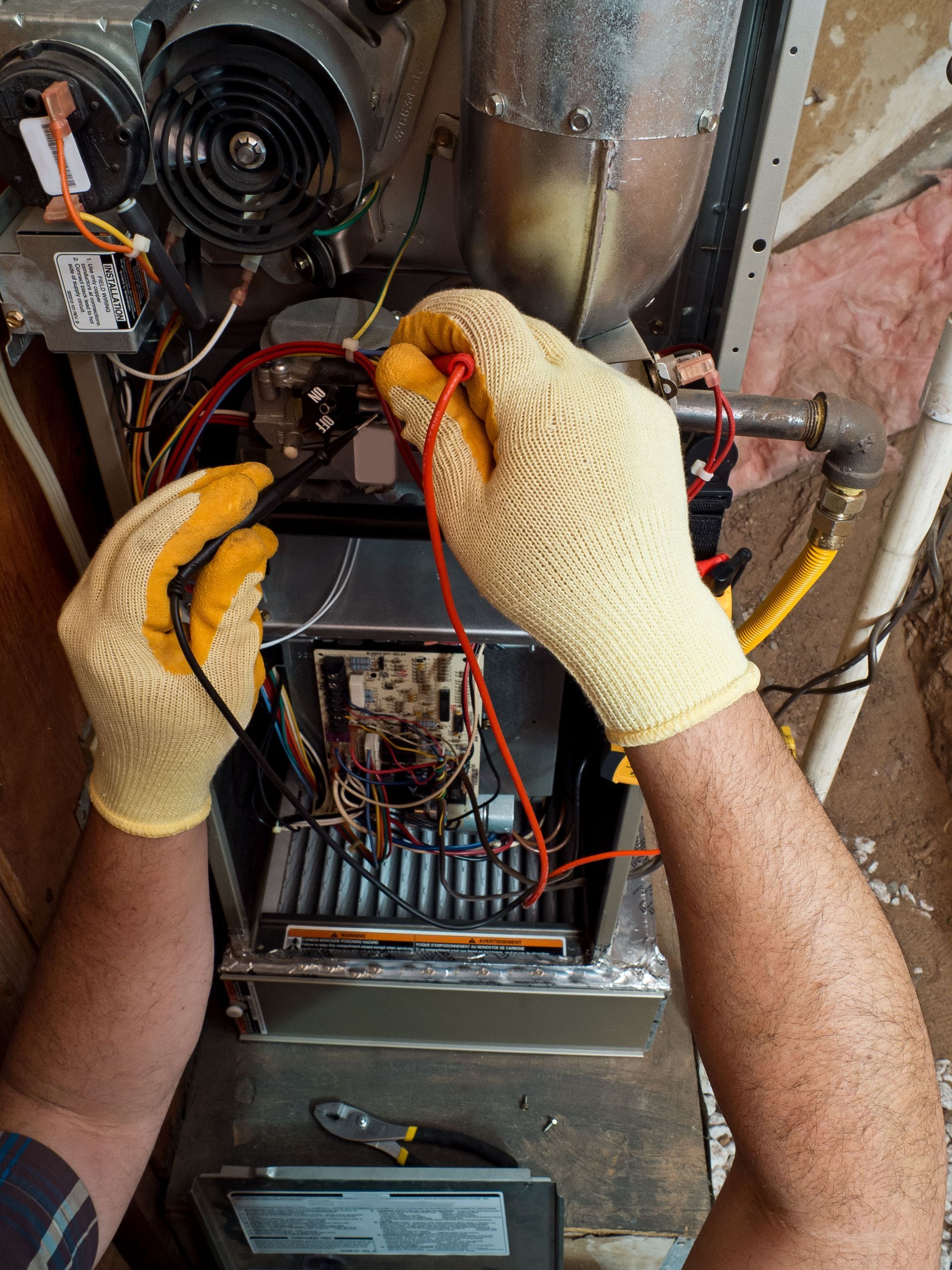
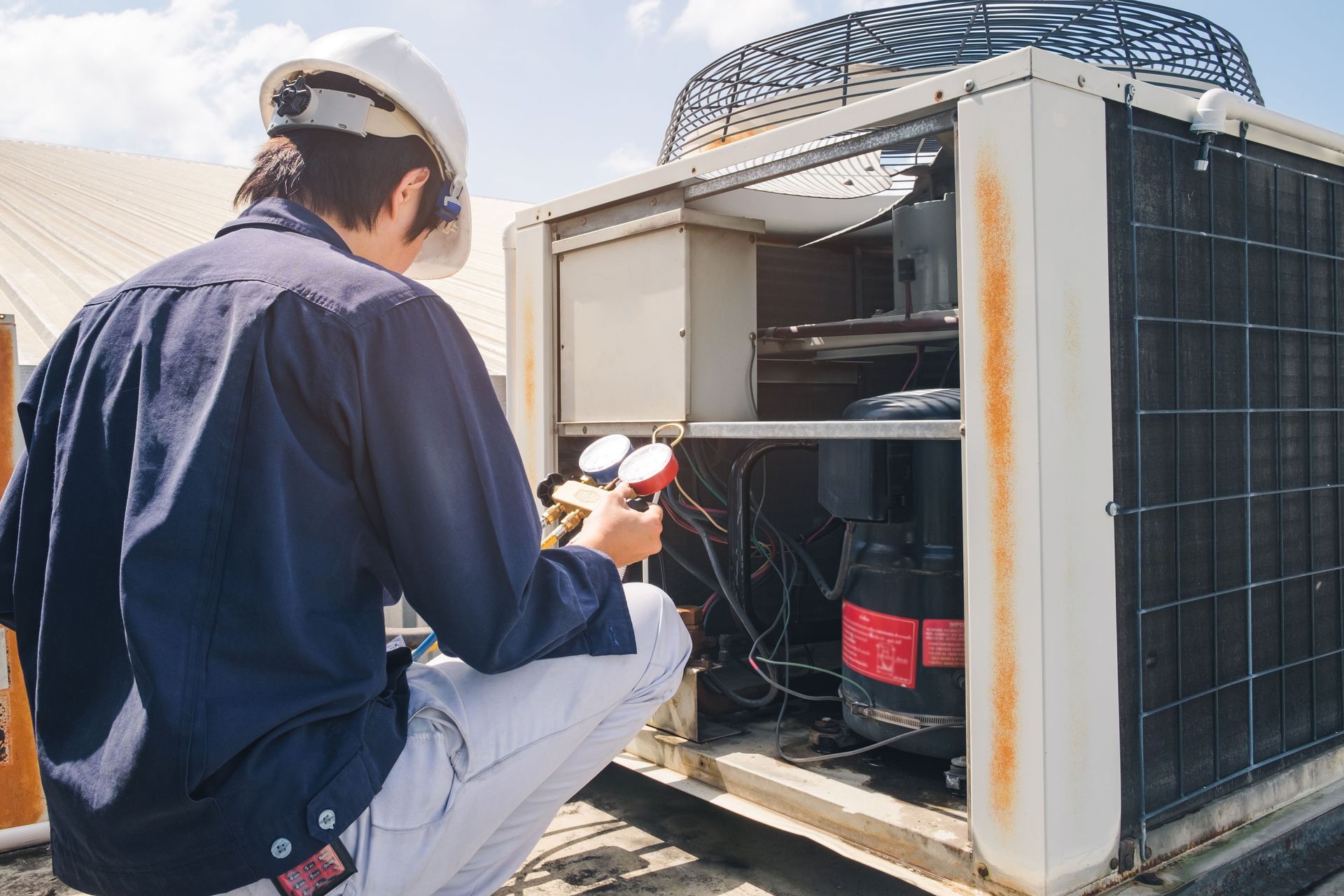
Mini-splits also eliminate the need to maintain extensive duct networks, reducing concerns associated with duct leaks and distribution problems. However, indoor and outdoor components still require professional inspections and routine servicing.
Homeowners and businesses may qualify for rebates or other financial incentives when purchasing qualifying energy-efficient equipment. Available programs vary by location, equipment specifications, and installation requirements. An experienced HVAC contractor can help property owners identify suitable equipment and understand which incentives may apply.
A return-on-investment evaluation should consider purchase price, installation expenses, projected energy savings, and expected equipment lifespan. Although mini-splits may cost more initially than some conventional alternatives, reduced operating expenses can help offset that investment over time.
Serving Different Building Types
Residential properties benefit from the flexibility of mini-split systems, particularly when different rooms have different heating and cooling requirements. Bedrooms, living areas, additions, and converted garages can each receive individualized temperature control. This makes mini-splits especially useful in homes without existing ductwork.
Commercial buildings can benefit from independent climate zones. Offices, retail spaces, and hospitality environments often have different occupancy levels and temperature requirements. Mini-splits allow businesses to condition specific spaces without operating a larger system throughout the property.
Industrial facilities and warehouses may use mini-splits in administrative offices, break rooms, and other enclosed spaces. Rather than conditioning an entire warehouse, businesses can focus heating and cooling resources on occupied areas, helping control operating expenses.
Historic buildings and renovated properties can also benefit from ductless systems. Installing conventional ductwork in older structures may require extensive modifications that affect architectural features. Mini-splits provide an alternative that introduces modern climate control with fewer structural changes.
Addressing Installation and Maintenance Challenges
Despite their efficiency advantages, mini-split systems have several considerations property owners should evaluate before installation. Initial equipment and installation costs may be higher than those of some traditional alternatives. Multiple indoor units may also be necessary for larger properties, increasing the overall investment.
System placement is another important consideration. Indoor units must be positioned to distribute conditioned air effectively, while outdoor components need appropriate space and protection from surrounding conditions. Professional installation helps ensure refrigerant connections, electrical components, and drainage meet manufacturer requirements.
Maintenance is equally important. Filters need regular attention, and indoor and outdoor components should receive periodic professional inspections. Neglecting maintenance can reduce airflow, affect efficiency, and contribute to unnecessary equipment wear.
Proper system sizing is particularly important. An undersized unit may struggle to maintain comfortable temperatures, while an oversized system may operate inefficiently. A professional HVAC assessment can account for square footage, insulation, windows, occupancy, and local climate when determining appropriate equipment capacity.
Selecting a Qualified Installation Contractor
Selecting an experienced contractor is essential for achieving the expected efficiency and performance benefits of a mini-split system. Qualified professionals can evaluate the property, recommend suitable equipment, and determine how many indoor units are necessary. They can also explain efficiency ratings, operating costs, and warranty coverage.
Professional installation ensures refrigerant lines, electrical connections, drainage systems, and other components are configured correctly. Proper commissioning allows technicians to verify that equipment operates according to manufacturer specifications. Working with an established HVAC company also provides access to ongoing inspections, repairs, and maintenance.
Improving Comfort and Reducing Energy Costs
Mini-split systems offer a practical combination of energy efficiency, flexible temperature control, and year-round comfort. Their inverter technology, ductless design, and independent zoning capabilities help reduce unnecessary energy consumption in residential and commercial settings. Although installation costs and maintenance requirements deserve consideration, their potential long-term savings make them an appealing alternative to conventional heating and cooling equipment.
Property owners interested in upgrading their climate control systems can benefit from discussing their needs with an experienced contractor. D & D Heating & Air Conditioning Inc can help evaluate HVAC requirements, explain available mini-split options, and recommend solutions suited to the property. Contact D & D Heating & Air Conditioning Inc to learn more about improving indoor comfort while managing energy consumption.